Ruhango: The FASEP “WISE” Project Provides a Sustainable Solution to the Lack of Fertilizers
Members of agricultural cooperatives growing maize in the Ruhango district are pleased with the FASEP “WISE” (Waste Integrated Solutions Ecosystem) project, which will provide them with compost to supplement what they already had.
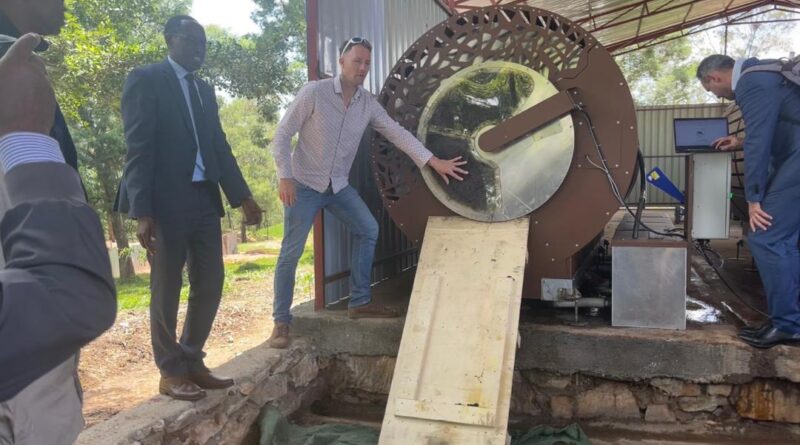
This Thursday, March 2, the FASEP “WISE” project was launched in Ruhango district. It aims to reduce waste through modern machines capable of processing both biodegradable and non-biodegradable waste. As a result, the amount of unusable waste will be significantly reduced, with up to 90% of waste being recycled, while the remaining 10% will be safely buried without harming the soil or the environment.
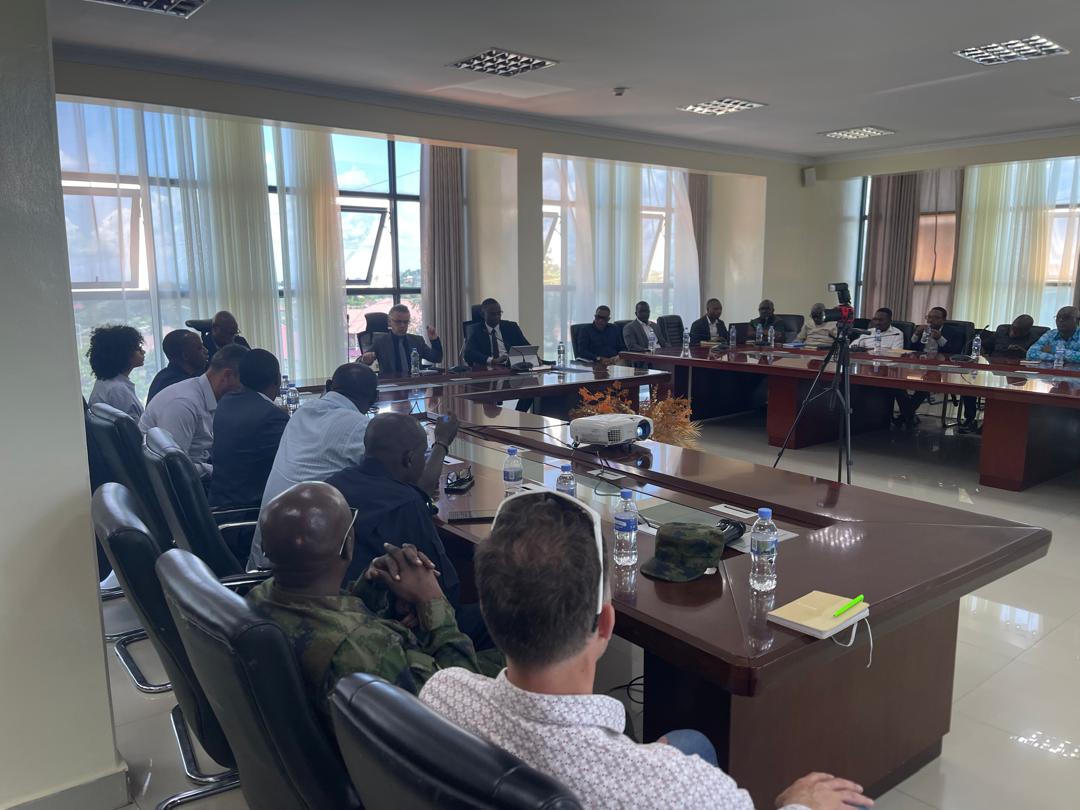
Partners explore the WISE project in Ruhango district.
This project is funded by the French Embassy in Rwanda and has enabled the acquisition of various machines. Some of these machines process non-biodegradable waste such as bottles and glass by crushing them and mixing them with sand and cement to produce construction paving stones. Others transform biodegradable waste into high-quality natural compost, without additives, and in a short amount of time.
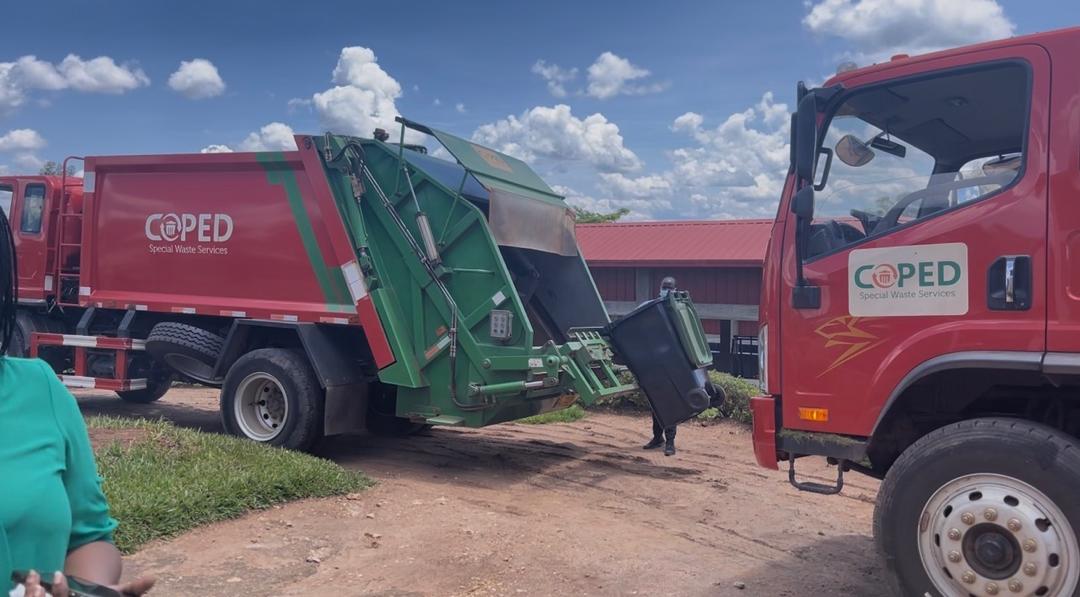
Modern vehicles have also been provided as part of this project.
These compost production machines have been particularly well received by women members of maize-growing agricultural cooperatives, who see them as a major solution to the fertilizer shortages they were facing.
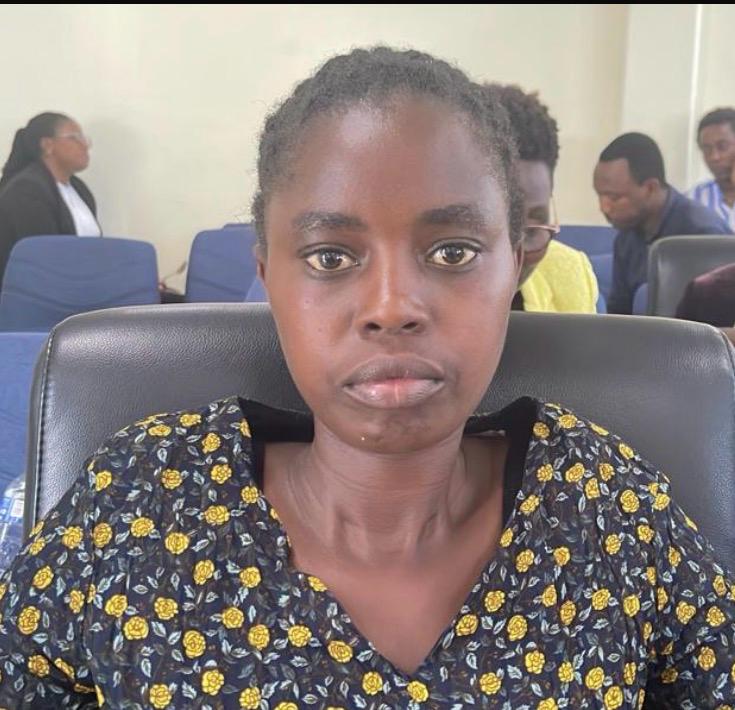 Nyiramugisha Marthe, president of the “Abishyizehamwe Rwoga” cooperative, explained that they usually faced low yields due to insufficient fertilizer from their households. She stated:
“For us, having these machines is a real opportunity. The compost we had was not enough. Sometimes we farmed without fertilizing, which depletes the soil and reduces harvests.”
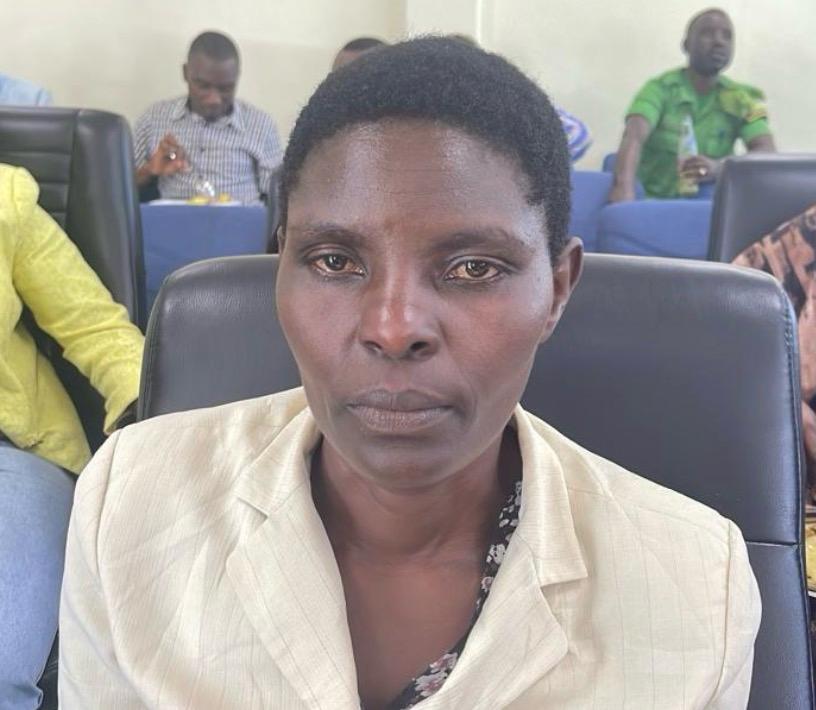 Clautilde Nyinawumuntu, a member of the UATA cooperative also involved in maize farming, said that the fertilizer problem now has a sustainable solution. She stated:
“We thank the Government of Rwanda, the Ruhango district, and their partners for this initiative. Fertilizing one year and lacking fertilizers the next slowed production growth. Now we hope to obtain compost from COPED. What was considered waste is becoming a source of income, which will benefit everyone.”
The head of COPED explained how the machines work, noting that biodegradable waste is first sorted to avoid mixing with non-biodegradable waste, then mixed with water. After two weeks of processing, the compost is removed from the machines and left to dry before use.
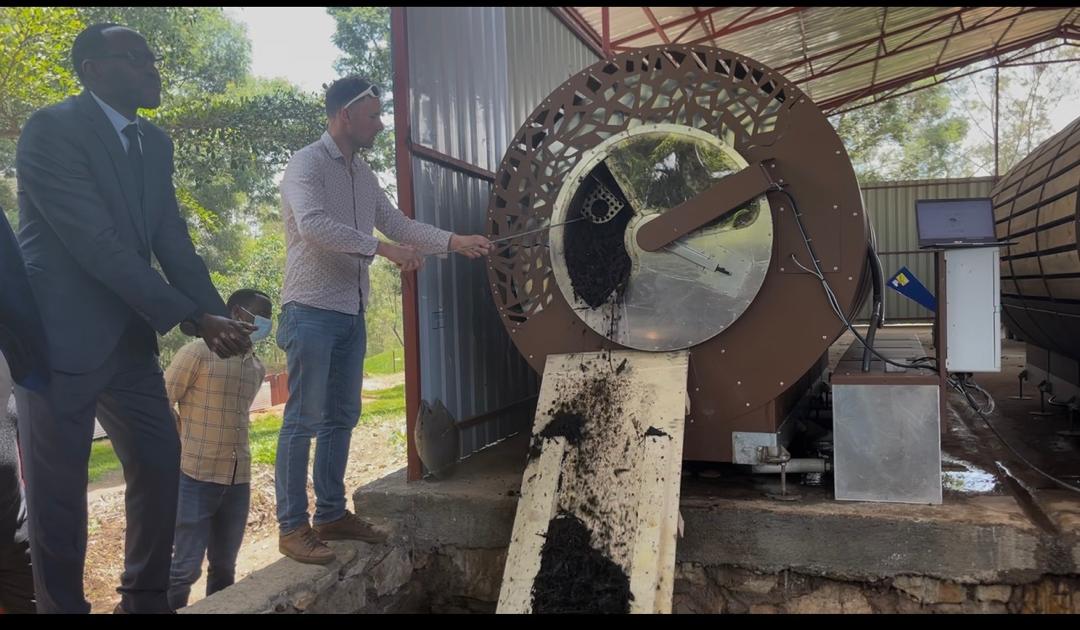
The machines to produce fertilizers
He also specified that analyses are ongoing to improve the quality of the compost by adding the necessary elements so that it meets standards while remaining a natural product without chemical inputs.
He added that they have equipment to analyze the compost and, if necessary, can rely on external laboratories. They also plan to obtain the required certifications to commercialize the product.
The FASEP “WISE” project is expected to expand to other districts with the continued support of the French Embassy in Rwanda. The project representative indicated that they plan to collaborate with three additional districts initially.
The project cost approximately €429,000, or more than 700 million Rwandan francs.
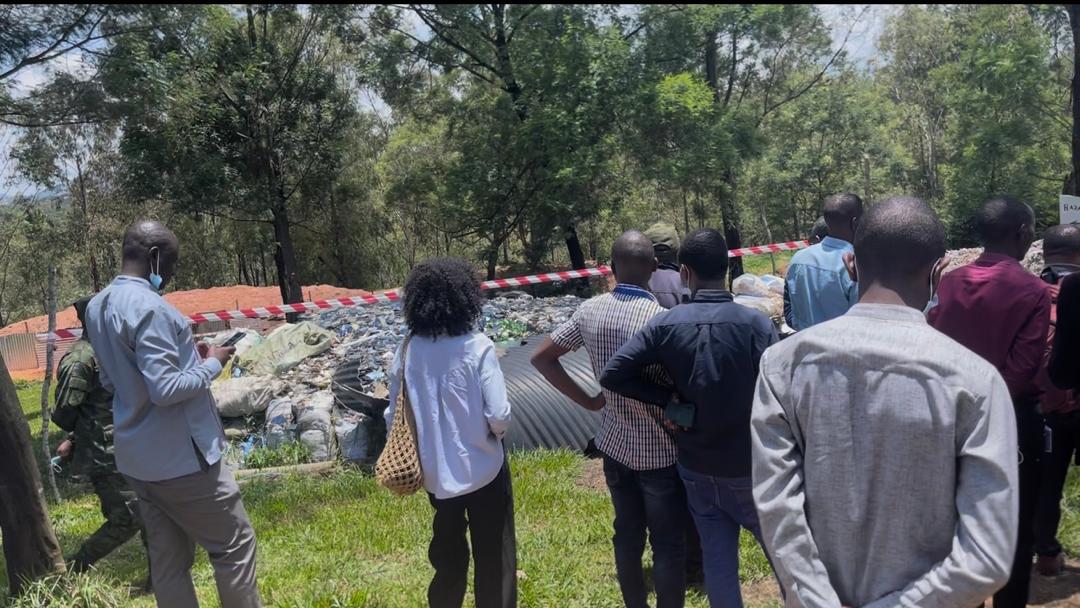
People exploring the project
Regine AKALIKUMUTIMA