Rwanda Expands Harm Reduction Efforts as Youth Drug Abuse Raises HIV and Mental Health Concerns
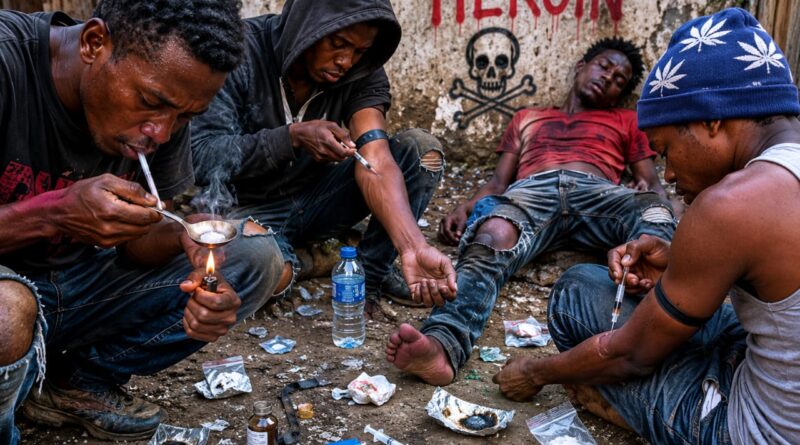
In recent years, Rwanda has witnessed a growing concern over increasing drug use among young people, a crisis that has exposed many to serious health and social consequences, including HIV, Hepatitis B and C infections, mental health disorders, overdoses, and social exclusion.
In response, Strive Foundation Rwanda, in partnership with Health Development Initiative (HDI) and Rwanda Biomedical Centre (RBC), has intensified advocacy for harm reduction services aimed at supporting people who use drugs, particularly young people who inject drugs.
The organizations argue that individuals struggling with drug addiction should be treated primarily as patients in need of healthcare and rehabilitation rather than being subjected to detention in rehabilitation or correctional centers such as Iwawa Rehabilitation and Vocational Skills Development Center.
According to the organizations, people who use drugs are often stigmatized and marginalized within society, despite many of them suffering from trauma, mental health challenges, family instability, or long-term psychological effects linked to the 1994 Genocide against the Tutsi.
Rising Health Risks Among People Who Inject Drugs
Health experts warn that people who inject drugs remain among the groups most vulnerable to HIV and viral hepatitis infections due to unsafe injection practices and risky sexual behavior.
A study conducted in Kigali between 2019 and 2020 found that HIV prevalence among People Who Inject Drugs (PWID) stood at 9.5 percent, significantly higher than the national HIV prevalence estimated at around 3 percent among the general population.
Currently, 16% of people with HIV are involved in drugs.
The research also revealed alarming behaviors among respondents:
31 percent reported sharing needles within the previous six months.
33 percent admitted to reusing previously used needles.
Researchers attributed the high infection rates mainly to:
Needle and syringe sharing,
Reuse of contaminated injecting equipment,
Unsafe drug consumption practices,
Unprotected sexual intercourse.
Public health experts say these findings demonstrate the urgent need for stronger harm reduction programs and accessible healthcare services for people struggling with substance use disorders.
Harm Reduction Services Being Promoted
The ongoing harm reduction interventions supported by health organizations in Rwanda include:
Distribution of sterile needles and syringes to reduce HIV and hepatitis transmission,
Provision of condoms and sexual health education,
HIV testing and linkage to medical care,
Addiction treatment and rehabilitation programs,
Medication-assisted treatment such as methadone therapy for heroin users,
Community education on overdose prevention and emergency response.
Mental health professionals emphasize that these interventions are internationally recognized public health strategies designed to reduce the health and social harms associated with drug use without discrimination or stigma.
Health Experts Call for Treatment Instead of Detention
Dr. Dynamo, a senior psychiatrist at Kinyinya Hospital, which specializes in mental health services, said people affected by substance abuse disorders require medical treatment and psychosocial support rather than incarceration or forced detention.
He noted that discussions are ongoing between health institutions, the Rwanda Investigation Bureau (RIB) and the Rwanda National Police to strengthen policies that prioritize healthcare-based approaches for people battling addiction.
Antoine, a mental health specialist working with Rwanda Biomedical Centre (RBC), also stressed that individuals who use drugs should not face isolation or rejection from society. He explained that many young people affected by addiction are living with unresolved trauma, depression, or difficult social conditions that require counseling and long-term support.
Strive Foundation Rwanda is a local non-governmental organization established in 2003 with a mission to improve the wellbeing of vulnerable communities across Rwanda.
The organization works in several areas including:
Access to healthcare services,
HIV/AIDS prevention,
Malaria prevention,
Mental health support and counseling,
Community empowerment and social welfare initiatives.
Through its partnership with national health stakeholders, the organization says it hopes to reduce drug-related harm, improve access to treatment, and help young people reintegrate into society with dignity and support.
ABAWEDAWE Immaculee