Creating a Safe Space: Empowering Women Journalists in the Fight Against Sexual Harassment
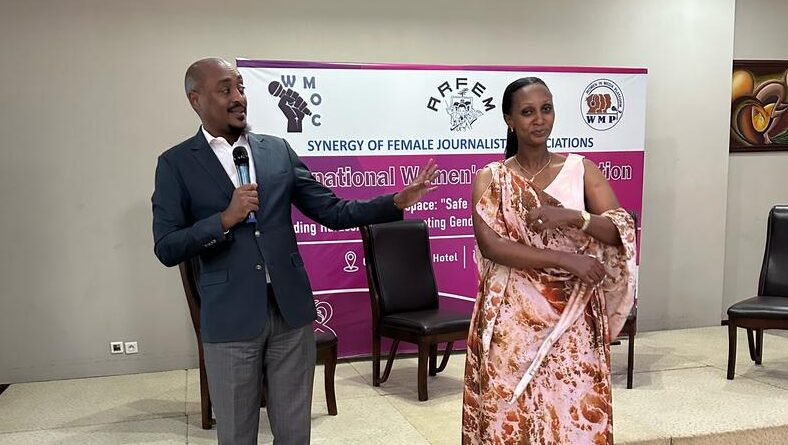
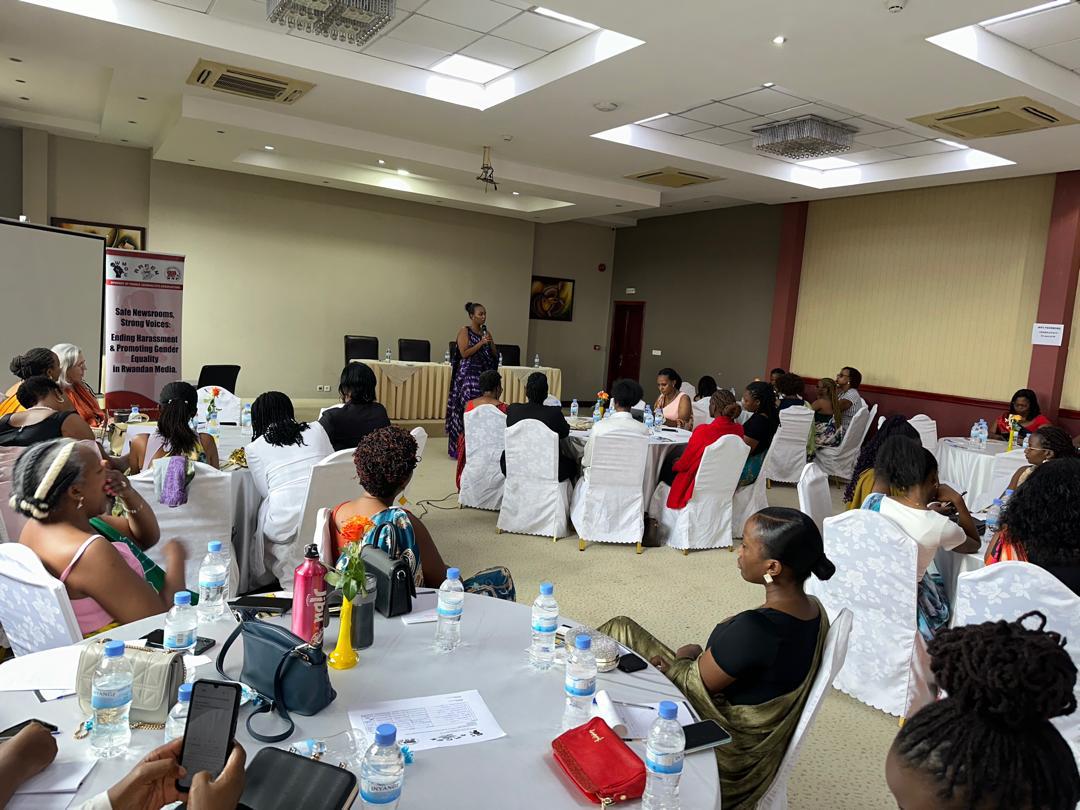
Gland Legacy Hotel, March 8, 2025 – In a powerful commemoration of International Women’s Day, the Synergy of Female Journalists hosted a pivotal Safe Space Meeting at the Gland Legacy Hotel, bringing together a wide range of women media professionals, advocates, and policymakers. The event sought to create a confidential and supportive platform for female journalists to share their experiences regarding sexual harassment (SH) and gender-related challenges in the media industry.
Raising Awareness and Sharing Experiences
The Safe Space Meeting was designed to raise awareness about the pervasive issue of sexual harassment in the media workplace and empower women to speak out. Female journalists were encouraged to share their personal experiences, with the aim of fostering a culture of respect, gender equality, and accountability within media organizations. Key stakeholders, including media professionals and government representatives, engaged in discussions about policy improvements and strategies to create safer, more inclusive media environments.
Madame Doreen Umutesi, Chairperson of the Synergy, opened the event by emphasizing the importance of International Women’s Day, recognizing the valuable contributions of women in media. Her opening remarks were followed by speakers from leading associations such as ARFEM, WMP, and WMOC, all expressing their gratitude to Fojo Institute for their vital role in supporting the Synergy movement.
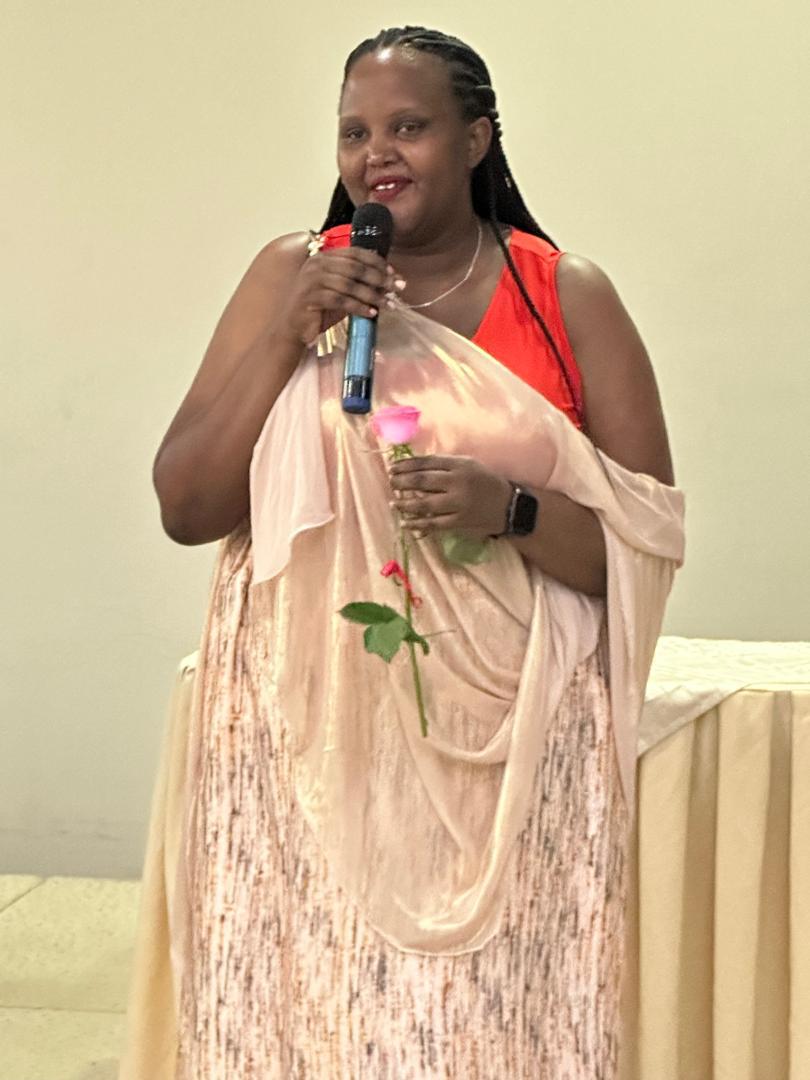
In a powerful testimony, Madame Astrida, Chairperson of WMOC, shared her personal experiences from when she first entered the media industry. Reflecting on the struggles women face, she emphasized how support systems like the Synergy have empowered her to thrive despite gender biases.
Expert Insights: Combating Sexual Harassment
The event also featured an impactful keynote address by Clement Kirenga, an expert on gender equality and founder of Radio IZUBA. His speech focused on strategies for developing female journalists and combating sexual harassment in media environments. Kirenga outlined various forms of sexual harassment—verbal, written, and visual—and called for greater respect for personal boundaries and professionalism in the workplace.
Kirenga also emphasized that the issue of sexual harassment is not limited to specific organizations, highlighting that even institutions with strong gender equality policies, like the UN, are not immune. He urged all media organizations to take meaningful action and hold perpetrators accountable.
Adding to the conversation, the psychologist from the Synergy Gender Desk underscored the importance of seeking emotional and psychological support for victims of sexual harassment. She urged female journalists to reach out for help, emphasizing that healing begins with speaking out and seeking support rather than suffering in silence.
Empowerment Through Testimonies
The meeting provided a platform for female journalists to share their personal journeys, demonstrating resilience in the face of adversity. Madame Edith Nibakwe, founder of Women of Impact Company, shared her story of overcoming the barriers women face in male-dominated newsrooms, eventually creating her own space and inspiring others to pursue their ambitions. Similarly, Madame Emma Claudine reflected on her struggles with gender discrimination in the newsroom and how her determination to produce high-quality work earned her the respect of her colleagues.
A Call for Action: Strengthening Support and Policies
The Safe Space Meeting also highlighted the need for systemic changes to ensure that women in the media are supported and protected from harassment. Key recommendations from the event included the establishment of formal mentorship programs, stricter enforcement of sexual harassment policies, and the creation of independent reporting mechanisms in media institutions.
Participants also emphasized the importance of ongoing awareness campaigns, gender-sensitivity training, and increased collaboration between government institutions, media organizations, and advocacy groups to combat sexual harassment.
Furthermore, the event stressed the importance of engaging male allies in the movement to create safer media spaces. By working together, the industry can challenge harmful societal norms and foster a more inclusive and respectful environment for all.
Looking Ahead
The Safe Space Meeting concluded with a strong commitment to continued advocacy and policy reform. The Women Media Associations’ Synergy remains steadfast in its mission to fight sexual harassment, promote gender equality, and empower women in the media industry. With ongoing support from partners like Fojo Institute, the Synergy is determined to make a lasting impact and create safer, more inclusive spaces for female journalists.
As the movement grows, it is clear that collective efforts from women, men, and organizations are crucial in dismantling the barriers of sexual harassment and ensuring that women in media can thrive without fear of discrimination or abuse. The Safe Space Meeting was an important step in this ongoing journey toward a more equitable future for women in media.
Jeanne D arc DUSABAMAHORO