
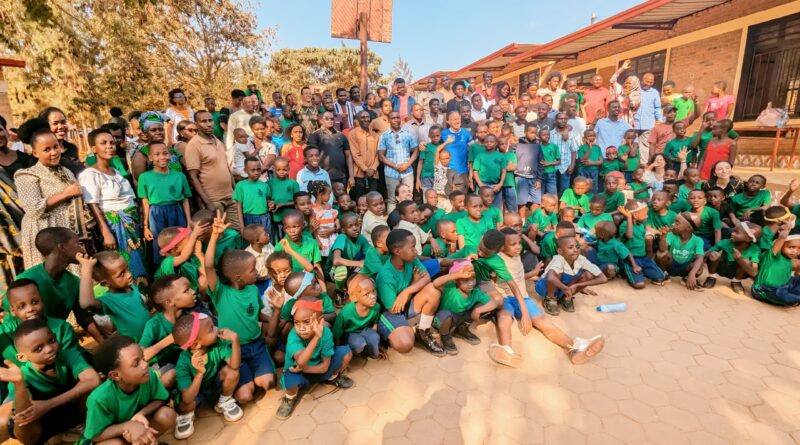
Tubafashe Academy Concludes Two-Week Programme Focused on Children’s Learning, Mental Health
Tubafashe Academy School in Rwamagana District has concluded a two-week programme that brought together children, teachers and parents to promote effective learning, children’s mental well-being and positive social development.
The programme, which concluded on Saturday, August 15, 2026, was organised in partnership with Saint-Joseph in Québec, Canada. Educators and specialists from Québec worked with teachers, children and parents at Tubafashe Academy during the school holidays.
The initiative focused on sharing new approaches to teaching and supporting children, particularly those facing learning difficulties or challenges related to their development and mental well-being.
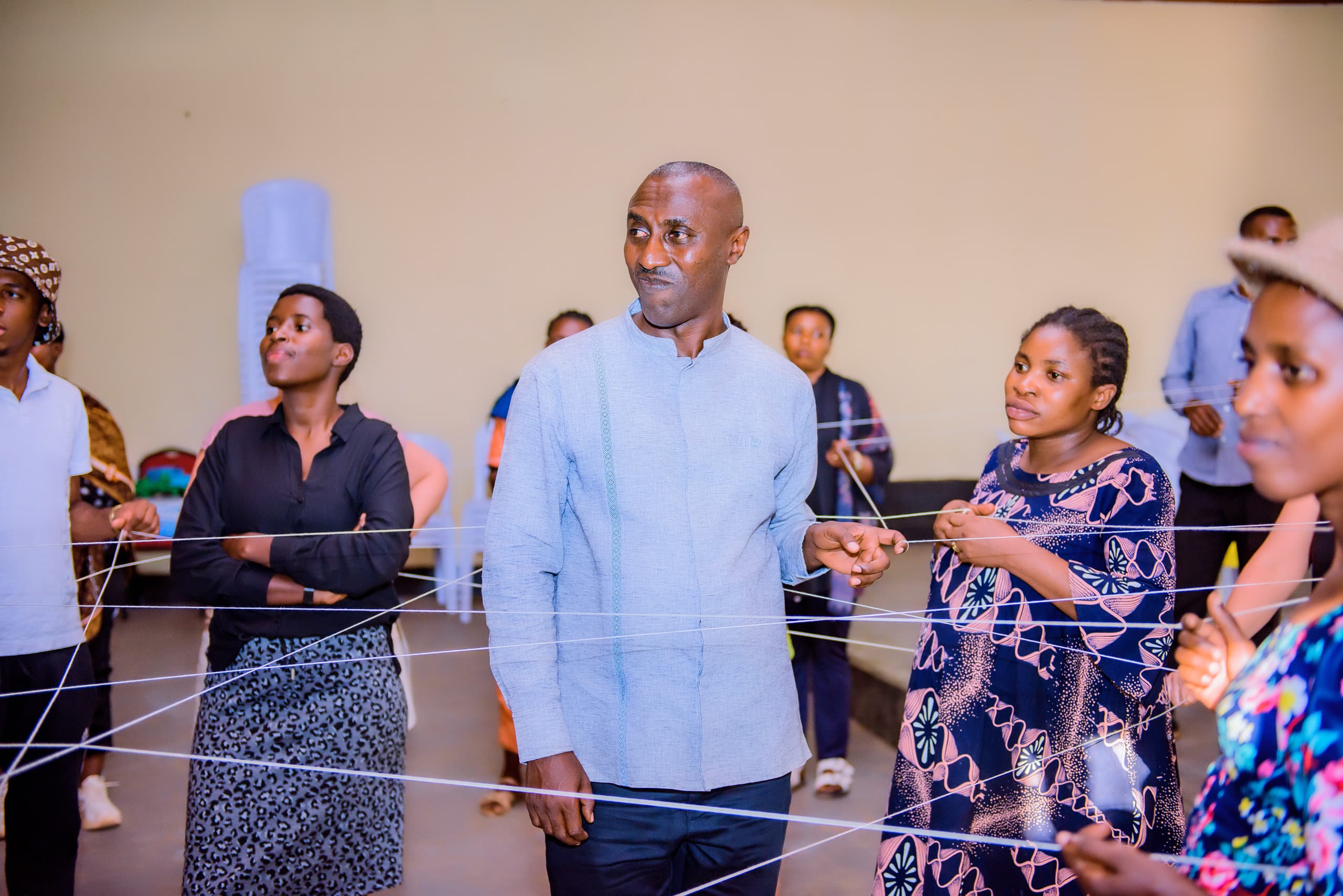
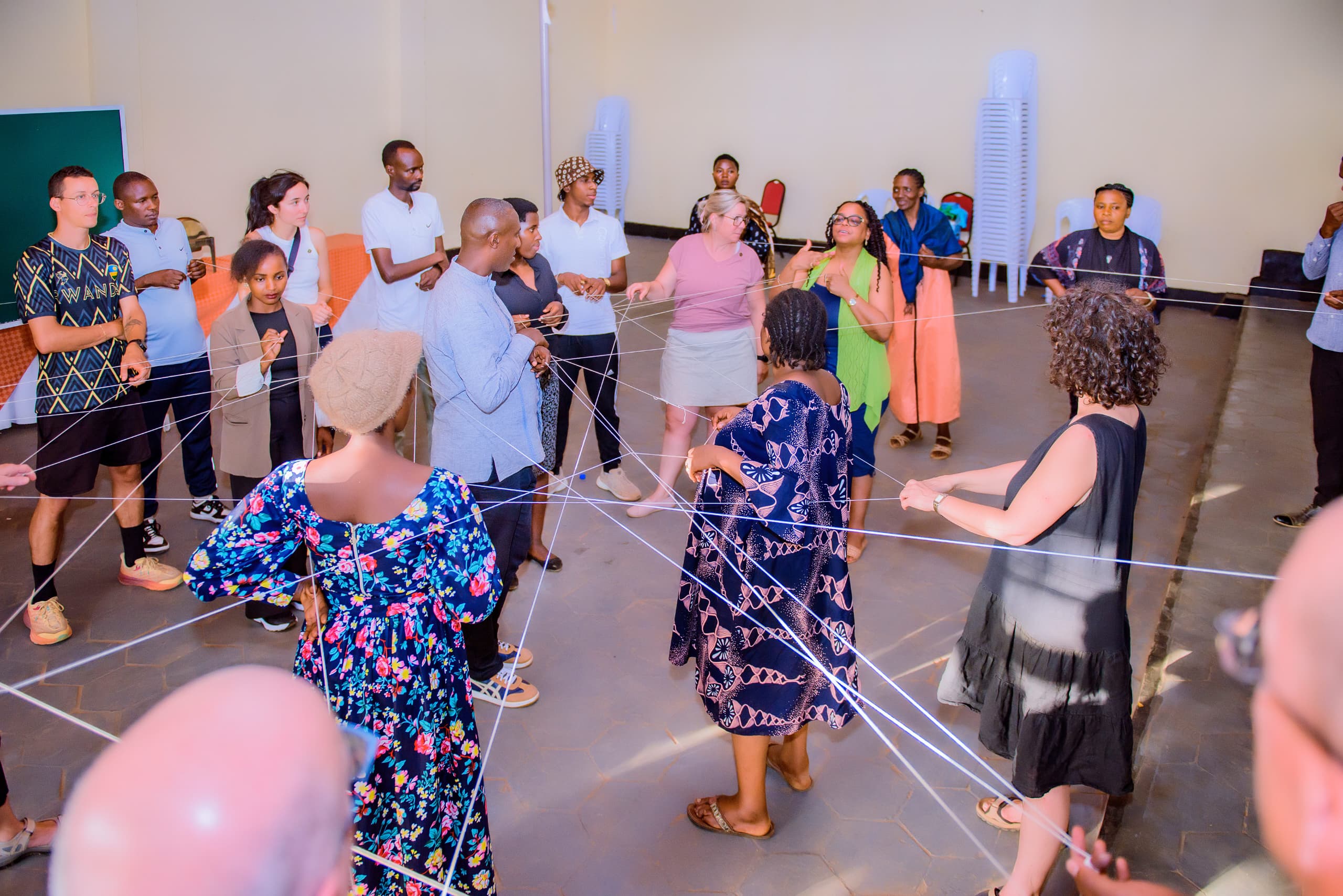
Art, sports, games and teaching aids were among the activities used to help children learn more effectively while also supporting their emotional and social well-being.
Children benefit from sports, games and social activities
Children who took part in the programme said it gave them an opportunity to step away from their normal classroom routine and spend time learning through games, sports, art and social activities.
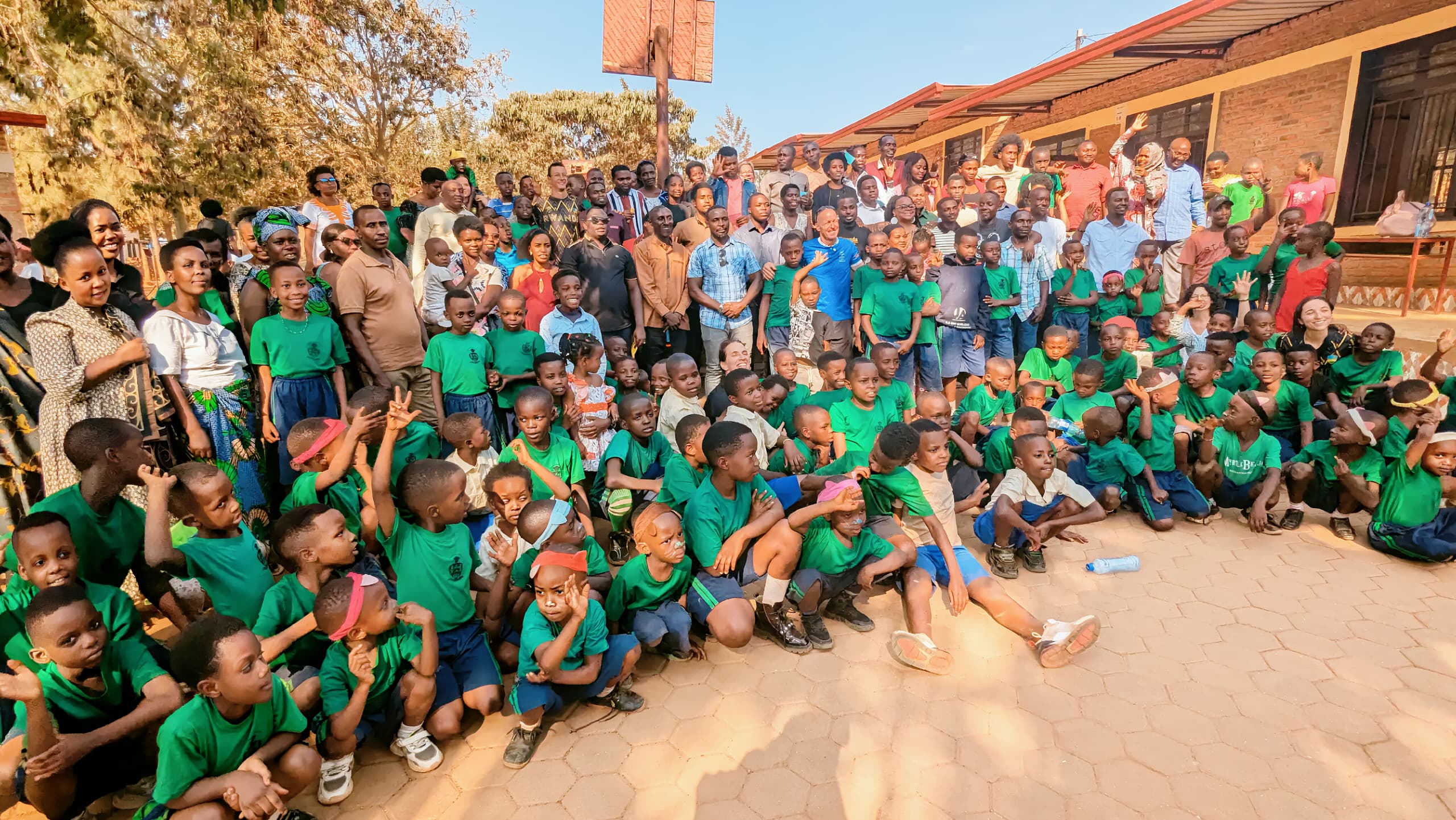
Nshuti Honnete, one of the participating children, said sports and games helped them relax and improve their mental well-being.
Irumva James Happy, a student at Tubafashe Academy School, said the programme helped them make meaningful use of their school holidays instead of spending the entire period without activities.
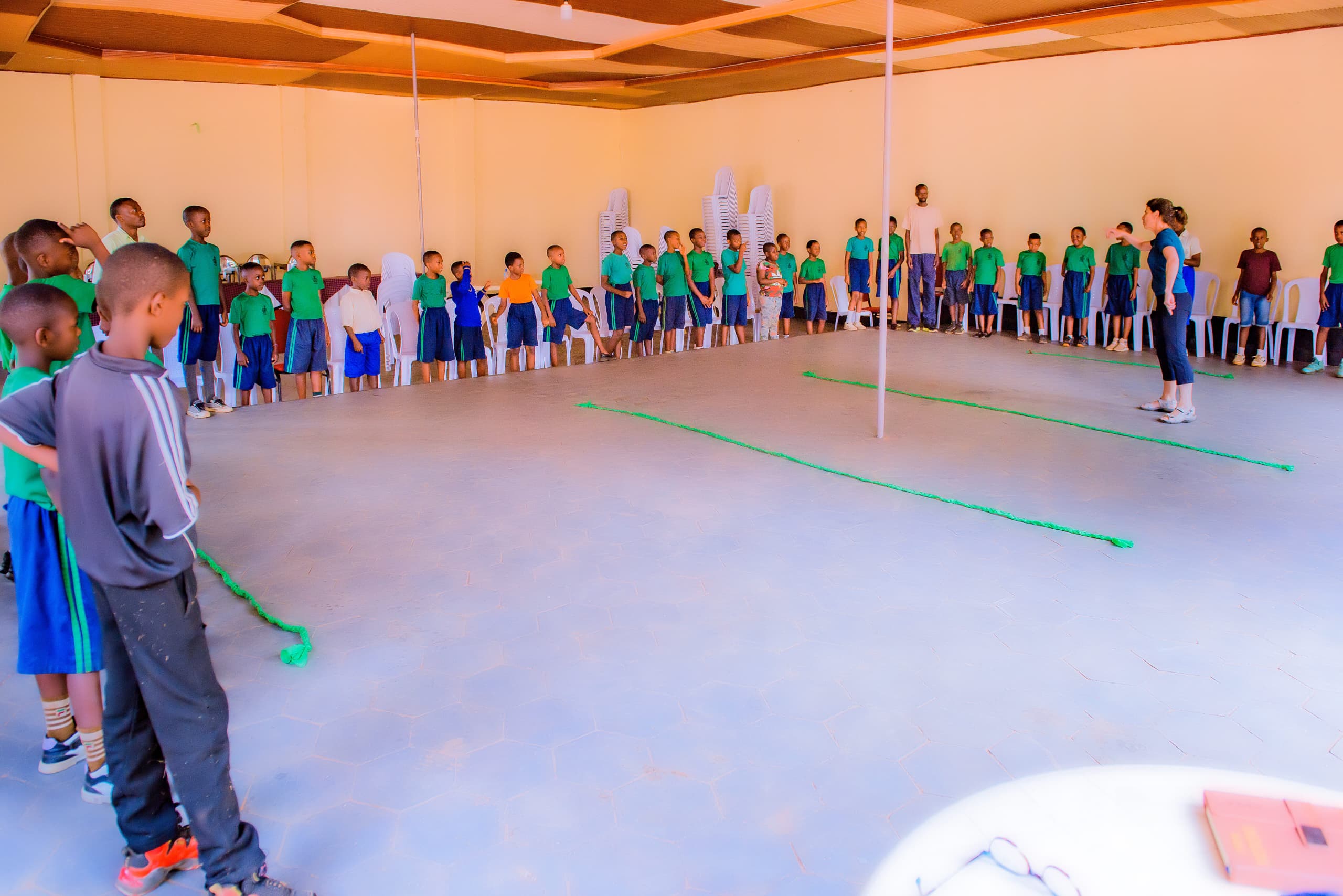
He also highlighted the importance of giving children time to rest and enjoy themselves, saying that children cannot continue learning effectively without time to relax.
Mwiza Gladys said the programme helped her overcome loneliness and interact more with other children, while Kubwayo Ganza Elvin said the different games helped them relax and enjoy their time together.
Teachers trained to address different learning needs
A major focus of the programme was helping teachers understand that children have different learning abilities and therefore require different teaching approaches.
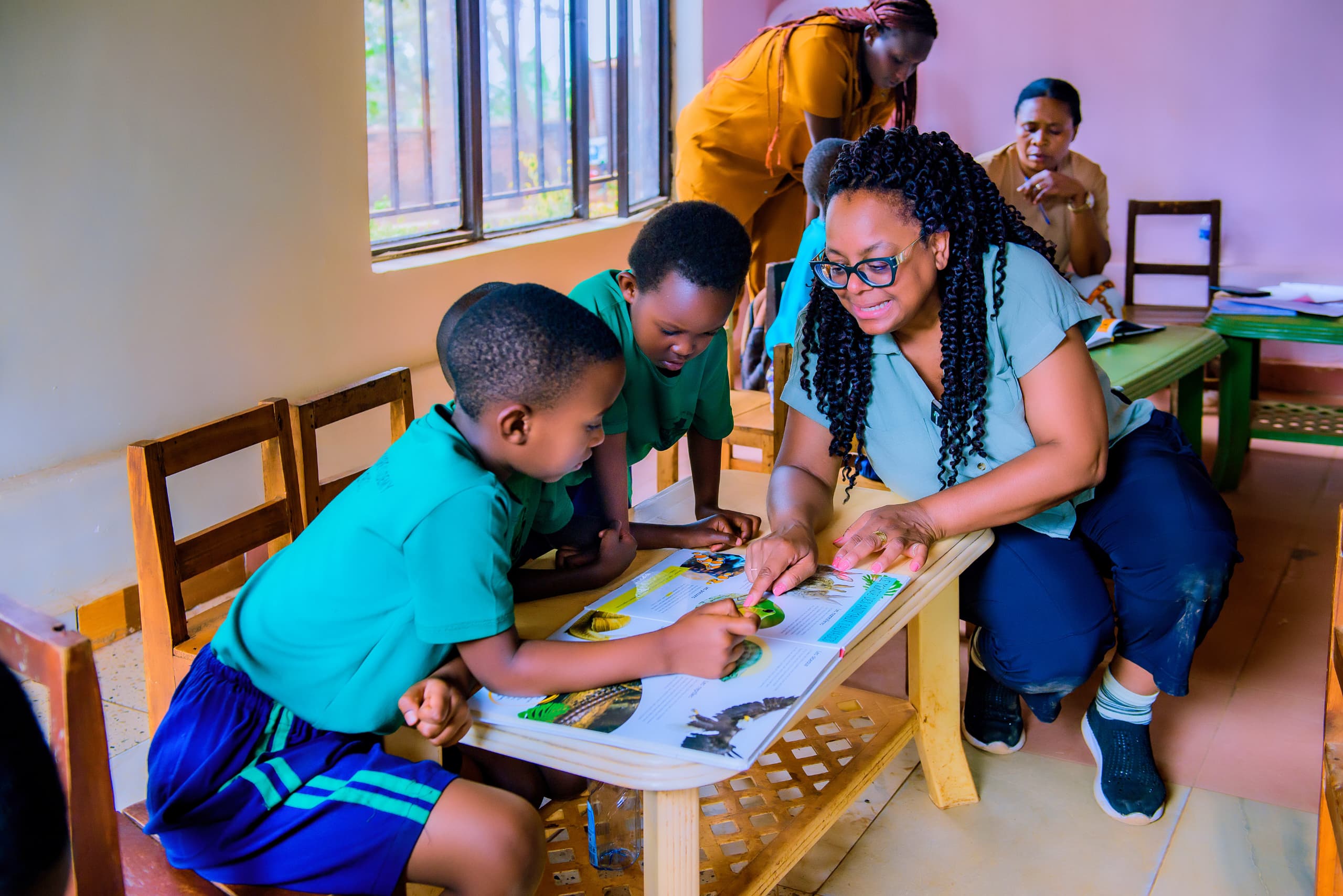
Nayituriki Gabriel, an English teacher at Tubafashe Academy School, said the training helped teachers understand how to work with children who have different levels of learning ability and different ways of processing information.
He said teaching children with different abilities using the same approach can leave some students behind.
The training, however, equipped teachers with strategies to adapt their teaching to individual learners.
“Every child, at their own level, has a way in which they can be taught so that they can learn well and understand quickly,” he said.
Uwimana Mapendo, another teacher at the school, said the programme introduced them to the use of small-group learning.
Under the approach, children are divided into small groups, with each group having a leader, while the teacher monitors the participation of individual learners. The method gives even quieter children an opportunity to participate actively in lessons.
Teachers were also trained to use teaching aids to make lessons more practical and easier for children to understand.
For example, visual materials and other concrete learning tools can be used when teaching numbers to help children see, count and understand them.
Parents encouraged to identify children’s talents
The programme also involved parents, with discussions focusing on parenting, building safe family environments and identifying children’s talents.
Uwanyirigira Claudine, a parent at Tubafashe Academy School, said one of the key lessons she gained was that children have different talents and abilities.
She said parents should not force children to become what they want them to be without first considering the child’s interests, talents and abilities.
Alexandre Bizumuremyi, another parent, said the training helped him understand how challenges within a family can affect children and how such challenges can be addressed.
He also stressed the importance of identifying children’s talents early rather than forcing them to pursue academic subjects or careers chosen by their parents.
Tubafashe Academy School Director Alphonsine Mujuganji said the school was established in 2018 with only 12 children but has since grown to about 500 students.
She said 120 children participated in the two-week programme, with priority given to children facing different challenges in their families and others considered likely to benefit significantly from the initiative.
The children took part in games, art, discussions and other activities designed to support their behaviour, social development and general well-being.
Mujuganji said one of the notable changes observed was that teachers had started incorporating games and teaching aids into subjects such as mathematics and science.
Dr Chaste Uwihoreye, founder of Tubafashe Academy School and Serenity Wellness, said the programme provided an opportunity for Tubafashe Academy and Saint-Joseph to exchange knowledge and experience.
He explained that the initiative was designed not only for children but also for parents, because challenges or emotional wounds experienced by parents can affect the way they raise their children.
Parents were therefore given an opportunity to reflect on their own challenges, understand their strengths and explore ways of building safer and more peaceful families.
Michèle Lemelin, a French teacher from Québec, said the programme placed particular emphasis on art, sports and teaching strategies, especially those aimed at supporting students with special educational needs.
She praised the children of Tubafashe for respecting their teachers, following instructions and showing curiosity to learn. She also said that during the two weeks, she observed changes among both children and teachers, with some teachers already applying the strategies introduced during the training.
Valérie Lavoie, a specialist in education for children with special needs from Saint-Joseph de Saint-Hyacinthe in Québec, said the programme gave her an opportunity to learn how education is delivered in Rwanda while sharing approaches that could improve learning outcomes.
At the conclusion of the programme, Tubafashe Academy School and Saint-Joseph committed to continuing their partnership through the exchange of knowledge, experience and teaching materials.
Dr Chaste said the school’s goal is to strengthen collaboration among teachers, children, parents and partners from Québec so that children can receive the support they need to develop their abilities and build a better future.
ABAWEDAWE Immaculee